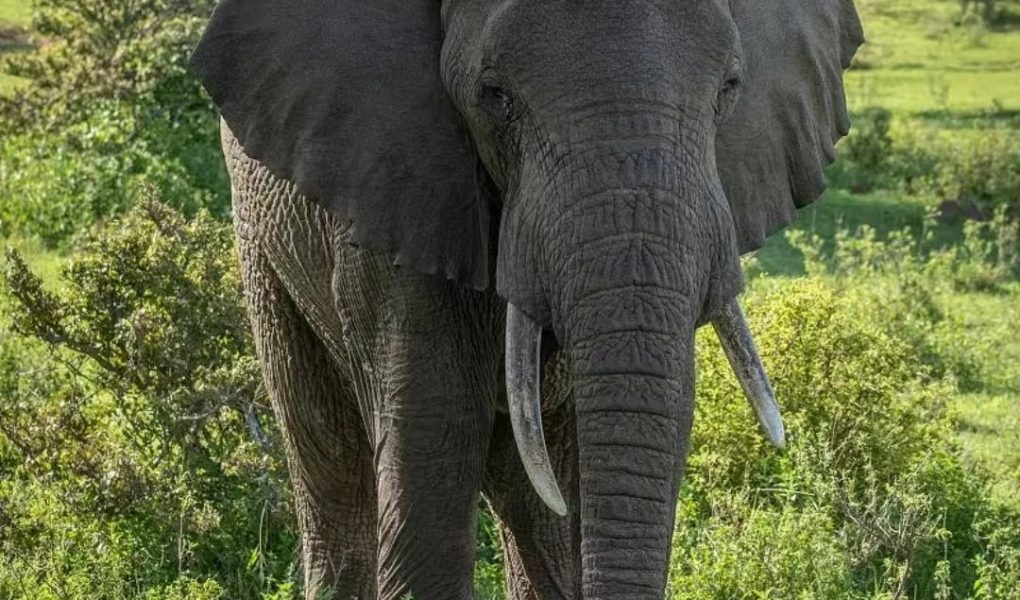
Discover the intelligence, emotions, and conservation challenges of Earth’s largest land animals.
Introduction
Elephants are among the most remarkable creatures on Earth. These gentle giants are known for their intelligence, strong family bonds, and impressive memories. Unfortunately, elephants also face serious threats from poaching and habitat loss.
Let’s explore the fascinating world of elephants and learn why protecting them matters.
Three Elephant Species
There are three recognized elephant species:
African Savanna Elephant (Loxodonta africana):
– Largest of all elephants
– Found in sub-Saharan Africa
– Population: ~415,000
– Distinctive large ears shaped like Africa
African Forest Elephant (Loxodonta cyclotis):
– Smaller than savanna elephants
– Found in Central and West Africa
– Population: ~110,000 (declining rapidly)
– Rounder, smaller ears
Asian Elephant (Elephas maximus):
– Found in South and Southeast Asia
– Population: ~48,000-50,000
– Smaller ears (only covers shoulder)
– Some have tusks, some don’t

Physical Characteristics
Elephants are the largest land animals on Earth.
Key Stats:
| Feature | African | Asian |
| Weight | 4,000-7,000 kg | 3,000-6,000 kg |
| Height | 2.7-4 m | 2-3.5 m |
| Lifespan | 60-70 years | 60-75 years |
| Ears | Large (Africa-shaped) | Small |
Amazing Features:
– Trunk: 40,000 muscles in the trunk alone!
– Tusks: Modified incisors, grow throughout life
– Teeth: Six sets of molars in a lifetime
– Skin: Up to 1 inch thick, but very sensitive
Intelligence and Memory
Elephants are among the most intelligent animals on Earth.
Brain Power:
– Brain size: 5 kg (largest of any land animal)
– Highly developed neocortex
– Complex social structures
– Self-recognition in mirrors
– Tool use and modification
The Famous Memory:
The phrase “elephants never forget” has scientific backing. Elephants can:
– Remember hundreds of individual elephants
– Recognize friends after decades apart
– Remember locations of water sources
– Hold grudges against those who harmed them
Emotional Intelligence:
Elephants show complex emotions:
– Grief for dead family members
– Joy when reunited with friends
– Empathy toward distressed companions
– Concern for injured herd members

Family Life
Elephants live in tight-knit family groups led by the oldest female.
Herd Structure:
– Matriarch: Oldest female leads the herd
– Family units: 6-20 related females and calves
– Bond groups: Multiple family units that socialize
– Males: Leave at 12-15 years, join bachelor groups
Daily Life:
– 16-20 hours spent eating
– Travel 30-80 km daily
– Communicate through infrasound (sounds below human hearing)
– Grieve and remember their dead
Baby Elephants:
– Gestation: 22 months (longest of any land animal)
– Born weighing ~120 kg
– Cared for by entire herd
– Weaned at 2-3 years

Conservation Status
Elephants face serious threats but remain endangered.
Population Numbers:
| Species | Population | Trend |
| African Savanna | ~415,000 | Decreasing |
| African Forest | ~110,000 | Decreasing rapidly |
| Asian | ~48,000-50,000 | Decreasing |
Major Threats:
– Poaching: For ivory tusks
– Habitat loss: Agriculture and development
– Human-wildlife conflict: Crop raiding
– Climate change: Drought affecting water sources
Conservation Success:
– International ivory trade ban (1989)
– Elephant sanctuaries and national parks
– Community-based conservation
– Anti-poaching patrols
Why Elephants Matter
Elephants are “ecosystem engineers” — they shape their environment.
Ecological Importance:
– Create clearings in forests for other species
– Disperse seeds through their dung
– Dig water holes used by many animals
– Maintain grassland ecosystems
– Indicators of ecosystem health
Cultural Significance:
– Sacred animals in many Asian religions
– Symbols of wisdom and memory
– Tourism income for local communities
– Embassies of wildlife conservation
The Future
The future of elephants depends on our choices today.
What We Can Do:
– Support organizations fighting poaching
– Avoid products made from ivory
– Choose ethical wildlife tourism
– Reduce our environmental footprint
– Support community conservation programs
Hopeful Signs:
– Some populations are stabilizing
– International cooperation strengthening
– Youth engagement increasing
– Technology helping anti-poaching efforts
Elephants have walked the Earth for millions of years. Let’s ensure they continue for millions more.