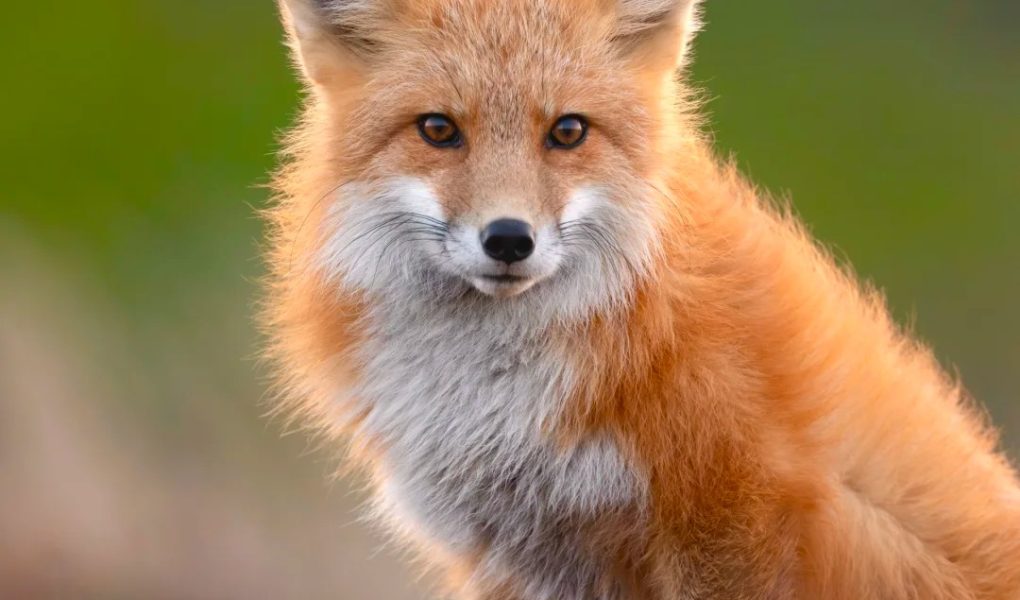
Discover why foxes are among the most adaptable and intelligent animals on Earth.
Introduction
Foxes are some of the most successful animals on the planet. Found on every continent except Antarctica, these clever canids have adapted to life in forests, deserts, mountains, and even cities.
With their bushy tails, pointed ears, and clever expressions, foxes have captured human imagination for thousands of years. But there’s much more to these animals than their fairy-tale appearance.

Fox Species Around the World
There are about 23 fox species, but the red fox is the most widespread.
Popular Fox Species:
| Species | Location | Distinctive Features |
| Red Fox | Worldwide | Orange-red fur, bushy tail |
| Arctic Fox | Arctic regions | White winter coat, tiny ears |
| Gray Fox | Americas | Can climb trees! |
| Fennec Fox | Sahara Desert | Large ears, smallest fox |
| Swift Fox | North America | Small, tan colored |
| Kit Fox | Southwestern US | Large eyes, desert dweller |
Fun Fact: Foxes are the only canids that can climb trees!
Physical Characteristics
Foxes are the smallest members of the dog family.
Key Stats:
– Weight: 3-14 kg (varies by species)
– Length: 45-90 cm (plus 30-55 cm tail)
– Lifespan: 3-6 years in wild, up to 14 in captivity
What Makes Foxes Unique:
– Ears: Pointed, highly sensitive for hunting
– Eyes: Pupils are vertical slits like cats
– Tail: Called a “brush,” helps with balance and warmth
– Paws: Small claws for digging and grasping
The Red Fox:
The red fox (Vulpes vulpes) is the most recognizable:
– Orange-red fur with white chest
– Black legs and ear tips
– Bushy white-tipped tail
– Found across the Northern Hemisphere

Clever Hunting Skills
Foxes are skilled hunters with cat-like techniques.
Hunting Style:
– Primarily hunt alone (unlike wolves)
– Use cat-like pouncing technique
– Can jump 2 meters high
– Hear prey underground
– Store extra food for later
What They Eat:
– Small mammals (mice, rabbits)
– Birds and eggs
– Insects and beetles
– Fruits and berries
– Fish and frogs
The “Mouse Leap”:
Red foxes have a famous hunting technique:
1. Locate prey under snow
2. Leap high into the air
3. Plunge headfirst into snow
4. Catch prey with precision
This leap can cover 3 meters!

Urban Foxes: City Survivors
Foxes have become surprisingly successful city dwellers.
City Life:
– Nocturnal hunting in urban areas
– Feed on garbage, pets’ food
– Den under sheds and buildings
– Raise pups in parks and gardens
Why They Thrive:
– Highly adaptable diet
– Fearless around humans
– Can breed in small spaces
– Excellent problem solvers
– No natural predators in cities
Famous City Foxes:
London has an estimated 10,000+ urban foxes. Tokyo, Berlin, and many American cities also have thriving urban fox populations.
Family Life
Foxes are devoted parents and complex social animals.
Family Structure:
– Monogamous pairs (mate for life)
– Both parents care for pups
– Older siblings help raise young
– Family groups live in territories
Raising Pups:
– 2-12 pups per litter (avg 5)
– Gestation: 49-58 days
– Pups born blind, deaf
– Eyes open after 2 weeks
– Leave den at 4-5 weeks
– Full size at 6 months
Parenting:
– Father hunts and guards den
– Mother nurses and keeps warm
– Both teach hunting skills
– Kits play to develop muscles

Conservation Status
Most fox species are doing well, but some face challenges.
Population Status:
| Species | Status | Threats |
| Red Fox | Least Concern | None significant |
| Arctic Fox | Least Concern | Climate change |
| Gray Fox | Least Concern | Habitat loss |
| Island Fox | Near Threatened | Predators, disease |
| Darwin’s Fox | Endangered | Habitat loss |
Why Foxes Succeed:
– Highly adaptable
-eat almost anything
– Reproduce quickly
– Fear intelligent
– No natural predators (most areas)
Challenges:
– Road accidents
– Fur trade hunting
– Disease (rabies, mange)
– Human persecution
Foxes in Culture
Foxes appear throughout human history and mythology:
Around the World:
– China: Fox spirits (huli jing) in folklore
– Japan: Kitsune — magical fox spirits
– Native America: Trickster stories
– Europe: Fairy tales and fables
– Britain: Hunting traditions
Modern Culture:
– Fantastic Mr. Fox (Roald Dahl)
– Fox as sports mascots
– “Clever as a fox” expressions
– Popular in pet communities

Living with Foxes
If foxes live near you, here’s how to coexist:
Do:
– Watch foxes from a distance
– Secure garbage bins
– Keep pet food indoors
– Appreciate their beauty
– Learn about local wildlife
Don’t:
– Feed wild foxes
– Leave small pets outside at night
– Approach fox dens
– Persecute or poison them
– Try to make them pets
Remember: Foxes are wild animals and should be appreciated from a respectful distance.
Foxes remind us that intelligence and adaptability are the keys to survival. Let’s appreciate these clever creatures in the wild!