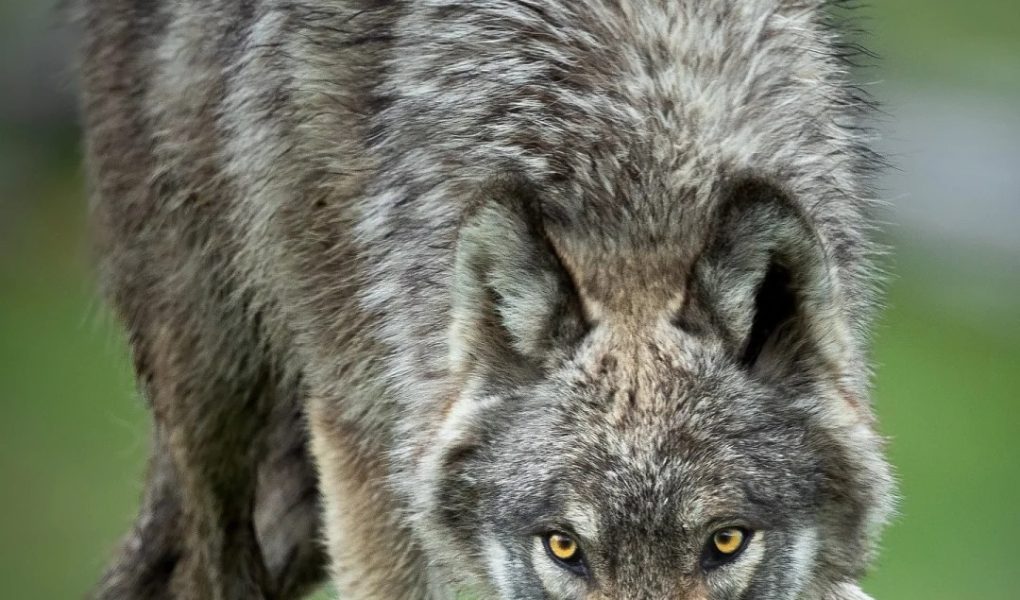
Discover the fascinating world of wolves — the ultimate pack hunters and ancestors of every dog breed.
Introduction
Wolves are among the most fascinating and misunderstood animals on Earth. As the ancestors of all domestic dogs, wolves hold a special place in both nature and human history. Yet centuries of fear and mythology have painted an inaccurate picture of these remarkable predators.
Let’s discover the truth about wolves — their social structures, hunting strategies, and why protecting them matters for entire ecosystems.

Wolf Species and subspecies
There are two main wolf species and several subspecies.
Main Wolf Species:
| Species | Location | Population |
| Gray Wolf | North America, Europe, Asia | ~200,000 |
| Red Wolf | Southeastern US | ~20-30 (critically endangered) |
| Ethiopian Wolf | Ethiopia | ~500 |
Gray Wolf subspecies:
– North American: Arctic, Great Plains, Northwestern, Mexican
– Eurasian: Iberian, Italian, Arabian, Himalayan
Fun Fact: All domestic dogs descended from gray wolves — they’re the same species (Canis lupus).

Physical Characteristics
Wolves are built for endurance hunting and survival.
Key Stats:
– Weight: 25-50 kg (females smaller)
– Length: 1.4-2 meters (including tail)
– Height: 66-81 cm at shoulder
– Lifespan: 6-8 years wild, 15+ captivity
– Speed: 50-60 km/h in short bursts
Built for the Hunt:
– Teeth: 42 sharp teeth for gripping prey
– Paws: Large, suited for varied terrain
– Chest: Narrow for speed and endurance
– Senses: Excellent night vision, hearing, smell
– Teeth can grow 2.5 cm long
The Famous Howl:
Wolf howls can be heard up to 10 km away. Each wolf has a unique howl — like a voice fingerprint. Howling helps:
– Locate pack members
– Mark territory
– Coordinate hunts
– Reunite after separation

Pack Life: The Wolf Family
Wolves are highly social animals that live in family groups called packs.
Pack Structure:
– Alpha pair: The breeding male and female
– Beta: Second-in-command
– Omega: Lowest ranking (often comedic role)
– Pups: Born in spring, raised by pack
– Yearlings: Young wolves learning roles
Pack Sizes:
– Average: 6-10 wolves
– Can range from 2 to 30+
– Usually family members
– Roles change as wolves age
Communication:
– Howling for long-distance
– Body language for close communication
– Scent marking for territory
– Whines, growls, barks

Hunting and Diet
Wolves are apex predators and highly efficient hunters.
What Wolves Eat:
– Large ungulates: Deer, elk, moose, caribou
– Smaller prey: Beavers, rabbits, fish
– Occasionally berries and fruits
– Eat 3-5 kg of meat per day when successful
The Hunt:
– Hunt in coordinated packs
– Target weak, sick, or old prey
– Endurance pursuit — chase until prey tires
– Success rate: 10-20% (often lower)
– Everyone eats after successful kill
Why Hunting Matters:
Wolves keep ecosystems healthy by:
– Removing sick animals
– Controlling prey populations
– Creating “landscape of fear”
– Allowing vegetation to recover
– Supporting scavengers like ravens and bears
Conservation Status
Wolves were nearly wiped out but have made remarkable comebacks.
Population Numbers:
| Time | Status |
| 1900 | Millions across North America |
| 1970s | ~1,000 in lower 48 US states |
| Today | ~6,000+ in US, healthy globally |
Conservation Successes:
– Endangered Species Act protection
– Reintroduction to Yellowstone (1995)
– Global population: ~200,000
– Protected in national parks
– Public education efforts
Ongoing Challenges:
– Human-wolf conflict
– Rancher livestock predation
– Habitat fragmentation
– Illegal hunting
– Political debates
The Wolf in Culture
Wolves appear throughout human history and mythology.
Around the World:
– Rome: Romulus and Remus raised by a wolf
– Native American: Teacher, guide, spirit animal
– Norse mythology: Fenrir the wolf god
– China: Wolves as symbols of loyalty and courage
– Modern: Conservation icons
Misconceptions:
– Wolves rarely attack humans (extremely rare)
– They’re not “vicious” — they’re territorial
– Not all howl at the moon (that’s just movies)
– They’re shy of humans by nature

Why Wolves Matter
Wolves are “keystone predators” — their presence shapes entire ecosystems.
The Yellowstone Effect:
When wolves were reintroduced to Yellowstone in 1995:
– Elk behavior changed (avoided overgrazing areas)
– Rivers stabilized (vegetation recovered)
– Bear populations increased
– Coyote numbers dropped
– Biodiversity flourished
This “trophic cascade” shows: protecting wolves means protecting entire ecosystems.
Wolves remind us of our connection to nature. As the ancestors of our beloved dogs, they deserve our respect and protection.