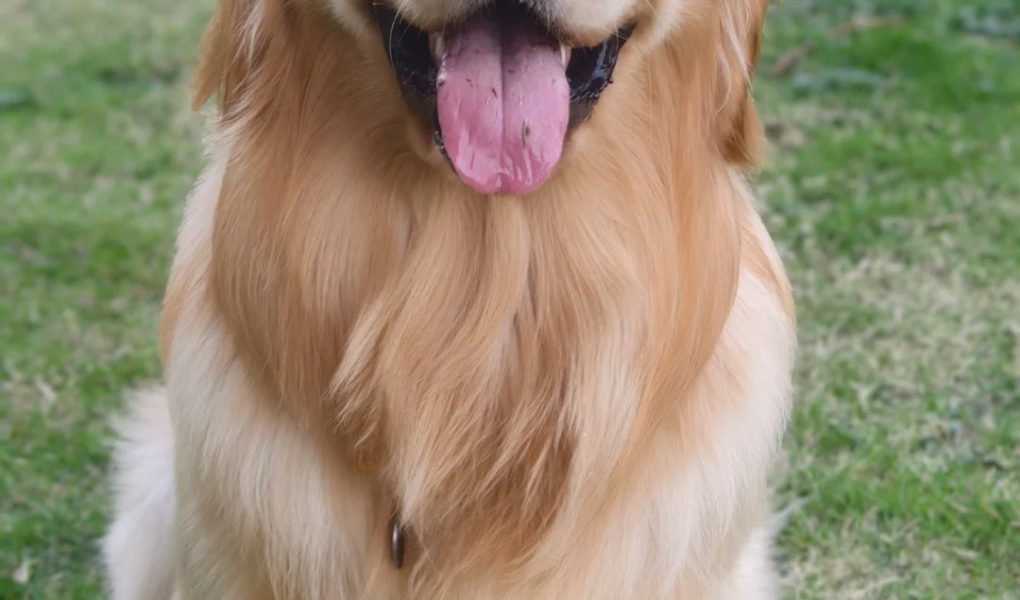
Discover the heartwarming history, sunny disposition, and unwavering loyalty of the world’s most beloved family companion.
—
Introduction: The Dog That Lights Up Every Room
With their flowing golden coats, perpetually wagging tails, and hearts full of unconditional love, Golden Retrievers have earned their place as one of the most cherished dog breeds worldwide. These radiant dogs seem to carry sunshine in their souls, spreading joy wherever they go and forming deep, meaningful bonds with everyone they meet.
Originally bred as hunting companions in the Scottish Highlands, Golden Retrievers have evolved into versatile working dogs, devoted family pets, and beloved therapy animals. Their combination of intelligence, gentleness, and eagerness to please makes them not just pets, but true members of the family who enrich lives in countless ways.
Whether retrieving game in the field, comforting children in hospitals, or simply greeting you at the door with boundless enthusiasm, Golden Retrievers approach every moment with a zest for life that is truly infectious.

Origins: A Scottish Lord’s Vision
Lord Tweedmouth’s Legacy
The Golden Retriever’s story begins in 19th century Scotland with Dudley Coutts Marjoribanks, later known as Lord Tweedmouth. At his Guisachan estate in the Scottish Highlands, he envisioned creating the perfect gundog—one that could retrieve game from both water and land with a soft mouth and unwavering enthusiasm.
Historical Timeline:
| Year | Event | Significance |
| 1868 | Nous Purchased | Yellow Wavy-Coated Retriever acquired |
| 1868-1890 | Breeding Program | Systematic development at Guisachan |
| 1880s | Belle Crossed | Tweed Water Spaniel introduced |
| 1903 | KC Recognition | Kennel Club (UK) official recognition |
| 1925 | AKC Recognition | American Kennel Club recognition |
| 1932 | Golden Retriever Club | UK breed club established |
| Today | Global Favorite | Top 3 most popular breed worldwide |
The Foundation Stock
Lord Tweedmouth’s breeding records, discovered in 1952, revealed the careful development of the breed. The foundation consisted of:
Key Foundation Dogs:
- • Nous: A yellow Wavy-Coated Retriever purchased in 1865
- • Belle: A Tweed Water Spaniel (now extinct breed)
- • Subsequent Generations: Carefully selected for retrieving ability, temperament, and golden color
The Tweed Water Spaniel contributed the love of water and retrieving instinct, while the Wavy-Coated Retriever provided size, strength, and trainability. This combination created the foundation for the modern Golden Retriever.
The Three Types
Over time, three distinct types of Golden Retrievers have developed, each with slightly different characteristics:
Golden Retriever Types:
| Type | Origin | Characteristics |
| British/English | UK | Stockier build, broader skull, calmer temperament |
| American | USA | Leaner, taller, more energetic, darker coat |
| Canadian | Canada | Thinner coat, taller stature, similar to American |
The British type, often called “English Cream” when very light in color, is particularly noted for its calm demeanor and blocky head.
Global Spread
Golden Retrievers quickly gained popularity beyond Scotland, first throughout the United Kingdom, then to North America and eventually worldwide.
International Recognition:
- • 1908: First shown at Crystal Palace (UK)
- • 1911: Recognized as “Yellow or Golden Retriever”
- • 1920s: Gained popularity in North America
- • 1930s: Became established in show rings
- • 1970s: Explosive growth in family homes
- • Today: Consistently in top 5 most popular breeds globally

Distinctive Appearance: The Golden Standard
The Breed Standard
The Golden Retriever presents a picture of strength, symmetry, and active power. Every aspect of their appearance reflects their heritage as working gundogs capable of spending long days retrieving in challenging conditions.
Physical Characteristics:
- • Size: Medium to large (55-75 pounds)
- • Build: Well-balanced, powerful, active
- • Head: Broad skull, well-defined stop
- • Eyes: Friendly, intelligent, dark brown
- • Ears: Medium-sized, hanging close to head
- • Coat: Dense, water-resistant, golden shades
- • Tail: Thick, muscular, carried level with back
- • Movement: Powerful, ground-covering gait
The Iconic Golden Coat
The Golden Retriever’s most distinctive feature is their beautiful, flowing coat that ranges from pale cream to rich golden. This double coat provides protection in all weather conditions.
Coat Characteristics:
| Feature | Description | Care Requirements |
| Outer Coat | Straight or wavy, water-resistant | Regular brushing |
| Undercoat | Dense, soft, insulating | Seasonal shedding |
| Feathering | Longer hair on legs, tail, chest | Extra attention needed |
| Color Range | Cream to dark golden | Natural variation |
| Texture | Firm, resilient to touch | Moderate maintenance |
Color Variations:
- • English Cream: Very pale, almost white
- • Light Golden: Pale yellow to cream
- • Golden: Classic medium golden
- • Dark Golden: Rich, deep golden
- • Field Gold: Working lines often darker
The Friendly Expression
Golden Retrievers are renowned for their kind, intelligent expressions that seem to convey understanding and empathy.
Facial Features:
- • Eyes: Dark brown, almond-shaped, friendly
- • Ears: Set high, dropping close to cheeks
- • Muzzle: Powerful, wide, deep
- • Nose: Black or brownish-black
- • Expression: Alert, intelligent, kind
The Working Build
Despite their beauty, Golden Retrievers are first and foremost working dogs with athletic, capable bodies.
Athletic Features:
| Feature | Function | Appearance |
| Deep Chest | Heart and lung capacity | Powerful, well-sprung ribs |
| Strong Hindquarters | Propulsion for swimming | Broad, muscular thighs |
| Webbed Feet | Swimming efficiency | Compact, well-knuckled |
| Water-Resistant Coat | Protection in cold water | Dense, oily texture |
| Strong Neck | Carrying game | Medium length, muscular |
_1_爱宠家园_来自小红书网页版-225x300.jpg)
Personality: A Heart of Pure Gold
The Golden Temperament
Golden Retrievers are celebrated for their friendly, reliable, and trustworthy nature. They possess an innate desire to please their owners and an uncanny ability to sense human emotions.
Core Personality Traits:
1. Friendly: Approachable with everyone
2. Intelligent: Quick learners, problem solvers
3. Confident: Self-assured without aggression
4. Gentle: Soft mouth, careful with children
5. Eager to Please: Highly motivated by praise
6. Trustworthy: Reliable and dependable
The “Forever Young” Spirit
Golden Retrievers maintain a youthful enthusiasm throughout their lives. Even as seniors, they retain their playful, curious nature.
Behavioral Characteristics:
- • Enthusiasm: Approach life with joy and excitement
- • Playfulness: Retain puppy-like energy into adulthood
- • Affection: Love physical contact and closeness
- • Loyalty: Deeply devoted to family
- • Patience: Exceptional with children
- • Adaptability: Adjust well to various lifestyles
Family Integration
Golden Retrievers excel as family dogs, forming strong bonds with all family members and displaying remarkable patience.
Family Dynamics:
- • Children: Exceptionally patient and gentle
- • Other Dogs: Generally very sociable
- • Cats: Can coexist peacefully with proper introduction
- • Strangers: Friendly and welcoming
- • Seniors: Adaptable to quieter lifestyles
- • Active Families: Perfect companions
The Soft Mouth
A hallmark of the breed is their “soft mouth”—the ability to carry game without damaging it. This translates to gentleness with children and delicate objects.
Soft Mouth Characteristics:
- • Gentle Carrying: Can hold eggs without breaking
- • Careful Play: Adjusts bite pressure appropriately
- • Retrieving Instinct: Natural desire to carry objects
- • Training Advantage: Makes them excellent service dogs

Health and Care: Maintaining Golden Health
Common Health Concerns
While generally healthy, Golden Retrievers are prone to certain breed-specific health issues.
Common Health Issues:
| Condition | Description | Prevention |
| Hip Dysplasia | Abnormal hip joint development | OFA/PennHIP screening |
| Elbow Dysplasia | Abnormal elbow joint development | Screening, controlled exercise |
| Progressive Retinal Atrophy (PRA) | Genetic eye disease | DNA testing |
| Subaortic Stenosis (SAS) | Heart condition | Cardiac screening |
| Cancer | Higher incidence than many breeds | Regular check-ups, early detection |
| Skin Conditions | Allergies, hot spots | Proper grooming, diet management |
Cancer Awareness
Golden Retrievers have a higher incidence of cancer than many other breeds. The Golden Retriever Lifetime Study is currently researching this issue.
Cancer Prevention:
- • Regular veterinary check-ups
- • Early detection through screening
- • Healthy diet and weight management
- • Limiting exposure to environmental toxins
- • Spaying/neutering timing considerations
Nutritional Management
Proper nutrition is essential for maintaining the health and beautiful coat of Golden Retrievers.
Feeding Guidelines:
- • High-Quality Protein: Essential for muscle maintenance
- • Omega Fatty Acids: For coat health and skin
- • Controlled Portions: Prevent obesity
- • Age-Appropriate: Adjust for life stage
- • Joint Supplements: Glucosamine for joint health
Weight Management:
| Life Stage | Ideal Weight Range | Monitoring |
| Puppy | Follow growth charts | Weekly weigh-ins |
| Adult Male | 65-75 lbs | Monthly checks |
| Adult Female | 55-65 lbs | Monthly checks |
| Senior | Maintain healthy weight | Bi-weekly checks |
Exercise Requirements
Golden Retrievers are active dogs that require regular exercise to maintain physical and mental health.
Exercise Needs:
- • Minimum: 1 hour daily
- • Ideal: 1-2 hours daily
- • Types: Walking, running, swimming, retrieving
- • Mental Exercise: Training, puzzle toys
- • Swimming: Excellent low-impact exercise
- • Retrieving Games: Satisfies natural instincts
Grooming the Golden Coat
The beautiful Golden coat requires regular maintenance to keep it healthy and manageable.
Grooming Routine:
- ☐ Daily Brushing: Prevents matting, reduces shedding
- ☐ Weekly Deep Grooming: Undercoat rake, thorough brushing
- ☐ Monthly Bathing: Or as needed
- ☐ Nail Trimming: Every 2-3 weeks
- ☐ Ear Cleaning: Weekly to prevent infections
- ☐ Dental Care: Brush teeth or dental treats
Recommended Tools:
- • Slicker brush for daily maintenance
- • Undercoat rake for seasonal shedding
- • Pin brush for finishing
- • Nail clippers or grinder
- • Ear cleaning solution

Living with a Golden Retriever: A Life of Love
The Ideal Golden Home
Golden Retrievers thrive in homes that can provide companionship, exercise, and plenty of love. They adapt well to various living situations but have specific needs.
Home Requirements:
- • Space: Adaptable but benefit from yard access
- • Time Commitment: Significant daily interaction needed
- • Exercise Access: Nearby parks or trails ideal
- • Water Access: Swimming opportunities beneficial
- • Companionship: Should not be left alone for long periods
- • Activity Level: Best with moderately active families
Daily Life with a Golden
A day in the life of a Golden Retriever is characterized by love, activity, and companionship.
Typical Day:
Morning:
- • Wake up with enthusiasm and tail wagging
- • Breakfast (measured portions)
- • Morning walk or play session
- • Training practice
Afternoon:
- • Nap time (after morning exercise)
- • Interactive play or puzzle toys
- • Midday walk or backyard time
- • Supervised outdoor exploration
Evening:
- • Dinner time
- • Evening walk or play session
- • Family cuddle time
- • Bedtime routine
Training and Mental Stimulation
Golden Retrievers are highly trainable and thrive on mental stimulation.
Training Priorities:
- • Basic Obedience: Sit, stay, come, down, heel
- • Leash Training: Essential for control
- • Recall Training: Critical for off-leash safety
- • Socialization: Exposure to various people, animals, situations
- • Advanced Training: Agility, obedience, therapy work
Mental Stimulation:
- • Puzzle toys and food dispensers
- • Scent work and nose games
- • Training new tricks and commands
- • Interactive play sessions
- • Dog sports and competitions

The Golden Retriever in Modern Society
Versatility in Working Roles
Golden Retrievers excel in virtually every working role imaginable, from service work to search and rescue.
Service Dog Excellence:
Golden Retrievers are among the top breeds chosen for service work due to their intelligence, temperament, and size.
- • Guide Dogs: Leading the blind and visually impaired
- • Hearing Dogs: Alerting deaf individuals to sounds
- • Mobility Assistance: Helping people with physical disabilities
- • Medical Alert: Detecting seizures, diabetic episodes
- • Autism Support: Providing comfort and assistance
- • Therapy Dogs: Hospital and nursing home visits
Search and Rescue:
- • Air Scenting: Finding missing persons
- • Water Rescue: Retrieving from water
- • Disaster Response: Finding survivors
- • Avalanche Rescue: Locating buried victims
Popularity and Cultural Impact
Golden Retrievers consistently rank among the most popular dog breeds worldwide.
Popularity Statistics:
- • Top 3: Consistently in top 3 most popular AKC breeds
- • Global Appeal: Popular in UK, USA, Canada, Australia, and beyond
- • Registration Numbers: Hundreds of thousands registered annually
- • Celebrity Owners: Countless famous owners worldwide
Famous Golden Retrievers:
| Name | Claim to Fame | Details |
| Buddy | Air Bud | Star of Disney movie series |
| Shadow | Homeward Bound | Movie character |
| Comet | Full House | TV show character |
| Various therapy dogs | Real-Life Heroes | Comfort dogs in crisis situations |
The Breed’s Future
As Golden Retrievers continue to be beloved companions, responsible breeding practices are crucial.
Current Challenges:
- • Cancer Research: Addressing higher cancer rates
- • Health Testing: Comprehensive screening programs
- • Genetic Diversity: Maintaining healthy gene pools
- • Working Ability: Preserving retrieving instincts
- • Temperament: Maintaining friendly, stable personalities
Conservation Efforts:
- • Golden Retriever Lifetime Study
- • Health testing programs
- • Genetic diversity initiatives
- • Responsible breeding education
- • Rescue and rehoming programs
—
Conclusion: Hearts of Gold
The Golden Retriever’s journey from Lord Tweedmouth’s Scottish estate to millions of homes worldwide is a testament to their exceptional qualities. Their combination of beauty, intelligence, gentleness, and unwavering loyalty has earned them a special place in human hearts.
Whether working as a service dog, competing in obedience trials, or simply being a beloved family companion, Golden Retrievers approach every role with enthusiasm and dedication. They remind us daily that the best relationships are built on mutual respect, consistent training, and unconditional love.
Owning a Golden Retriever is not just having a pet—it’s gaining a loyal friend, a devoted companion, and a daily reminder of the goodness in the world. These dogs give their hearts completely and ask only for love, attention, and the occasional game of fetch in return.
For those willing to meet their exercise and companionship needs, Golden Retrievers offer an unmatched relationship that enriches lives in countless ways. They truly live up to their name—hearts of pure gold.
—
Do you share your life with a Golden Retriever? Share your stories and photos in the comments below!
—