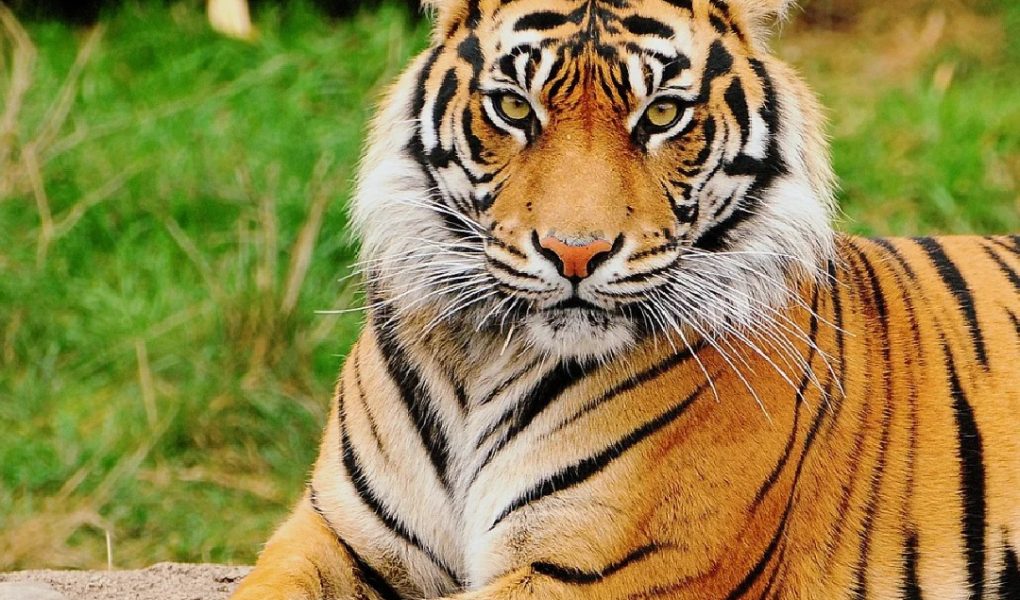
Everything you need to know about the world’s most powerful big cats.
Introduction
The tiger (Panthera tigris) is one of the most iconic animals on Earth. With their distinctive orange coats, bold black stripes, and powerful builds, tigers have captured human imagination for thousands of years.
Yet despite their fame, tigers face an uncertain future. With fewer than 4,000 remaining in the wild, these magnificent predators are fighting for survival.

Tiger Species and subspecies
Tigers belong to the cat family (Felidae) and are the largest living cat species.
Tiger Subspecies:
| subspecies | Status | Population |
| Bengal Tiger | Endangered | ~2,967 |
| Indochinese Tiger | Endangered | ~159-382 |
| Malayan Tiger | Critically Endangered | ~80-120 |
| Sumatran Tiger | Critically Endangered | ~400-600 |
| Amur Tiger | Endangered | ~500-540 |
| South China Tiger | Critically Endangered | ~20-30 |
Fun Fact: No two tigers have the same stripe pattern — just like human fingerprints!
Physical Characteristics
Tigers are built for power and hunting.
Key Stats:
– Weight: 90-310 kg (males), 65-170 kg (females)
– Length: 2.4-3.3 meters (including tail)
– Lifespan: 10-15 years in wild
– Speed: Can run up to 60 km/h in short bursts
The Iconic Coat:
A tiger’s orange coat with black stripes provides excellent camouflage in forests and grasslands. The stripe pattern is unique to each individual, and the orange color helps them blend with dried grass and trees while being visible to other tigers.

Habitat and Range
Tigers once roamed across Asia from Turkey to the Russian Far East. Today, their range has shrunk to just 7% of their historical range.
Current Habitat:
– India: Largest tiger population (~70%)
– Russia: Amur tigers in Siberian forests
– Indonesia: Sumatran tigers on one island
– Southeast Asia: Scattered populations
Tiger Habitats:
– Tropical rainforests
– Mangrove swamps
– Grasslands
– Snow-covered forests
Hunting and Diet
Tigers are apex predators — at the top of the food chain.
What Tigers Eat:
– Deer and antelope (favorite prey)
– Wild boar
– Buffalo
– Fish and crabs
– Occasionally other predators
Hunting Style:
– Solitary hunters (except mothers with cubs)
– Hunt primarily at night
– Stalk prey slowly, then sprint
– Success rate: ~10-20% of hunts
– Can eat 20+ kg of meat in one meal

Conservation Status
Tigers are endangered, but conservation efforts are making a difference.
The Numbers:
| Year | Wild Tiger Population |
| 1900 | ~100,000 |
| 2010 | ~3,200 |
| 2022 | ~3,900+ |
Conservation Success:
– Tx2 Goal: Doubled tiger numbers by 2022 (achieved!)
– 50 tiger reserves established worldwide
– International trade banned
– Community conservation programs
– Anti-poaching enforcement
Major Threats:
– Poaching for bones and fur
– Habitat loss
– Human-wildlife conflict
– Climate change

Tigers in Culture
Tigers hold special significance across Asian cultures:
Cultural Significance:
– China: Third animal in the Chinese zodiac, symbol of power
– India: National animal, revered in Hindu mythology
– Korea: Sacred animal representing protection
– Vietnam: Symbol of courage and military power
Modern Symbolism:
Tigers appear everywhere from sports team logos to fashion brands. But let’s not forget — these are real animals that need our protection.
The Future of Tigers
The good news? Tigers can recover if we commit to their survival.
What’s Needed:
– Protected habitat connections
– Strong anti-poaching measures
– Community involvement in conservation
– International cooperation
– Reducing demand for tiger products
The Promise:
Tigers occupied just 5% of their historical range in 2010. Today, thanks to conservation, they’ve reclaimed 17%. That’s progress — but there’s much more work to do.
The tiger’s future depends on us. Let’s ensure these magnificent cats roar on for generations to come.
Have you ever seen a tiger in the wild or at a zoo? Share your experience!

